
USA Sweeps All 14 Golds at Americas U11-U13 Championships in Katy: Home Court, a Small Pond, and What the Medal Table Won't Say
**Core answer (≤60 words):** At the ITTF Americas U11 & U13 Championship in Katy, Texas, the United States Mini-Cadet (U13) and Hopes (U11) squads won 43 of 56 medals (76.8%), including all 14 golds. The result reflects regional Americas strength at the youngest tiers, not global youth supremacy. **Key facts:** - USA took 14 of 14 golds, sweeping all seven U13 and all seven U11 events. - Total haul: 43 of 56 medals — 14 gold, 11 silver, 18 bronze (76.8%). - Event staged in Katy, Texas; 14 events, 56-medal ceiling, no prize money. - No individual player was named; U.S. National Team Coach Tim Wang cited "focus and determination". - Figures carry no independent citation; verify against official ITTF Americas records. **Source attribution:** ITTF Americas U11 & U13 Championship federation release, Katy, Texas (post-event publication) | Cross-checked: VuaBong.vn **Related Q&A:** Q: Does the ITTF Americas U11 & U13 Championship award senior world-ranking points? A: No; it is a continental development event carrying no senior ranking points. Q: Why does 43 of 56 medals not mean U.S. youth ranks first globally? A: Because the field contains only Americas member associations, with no Asian or European opponents. Q: What should be tracked next? A: The transition of this U13 cohort to U15/U19 continental and world-junior events within one to three years.
Katy, Texas. When organizers of the ITTF Americas U11 & U13 Championship released the final medal table, host nation USA sat on a line of numbers no one could argue with: 14 gold medals across 14 events. Not one event conceded. Add 11 silver and 18 bronze, and the American delegation took 43 of 56 medals — 76.8% of the entire medal pool.
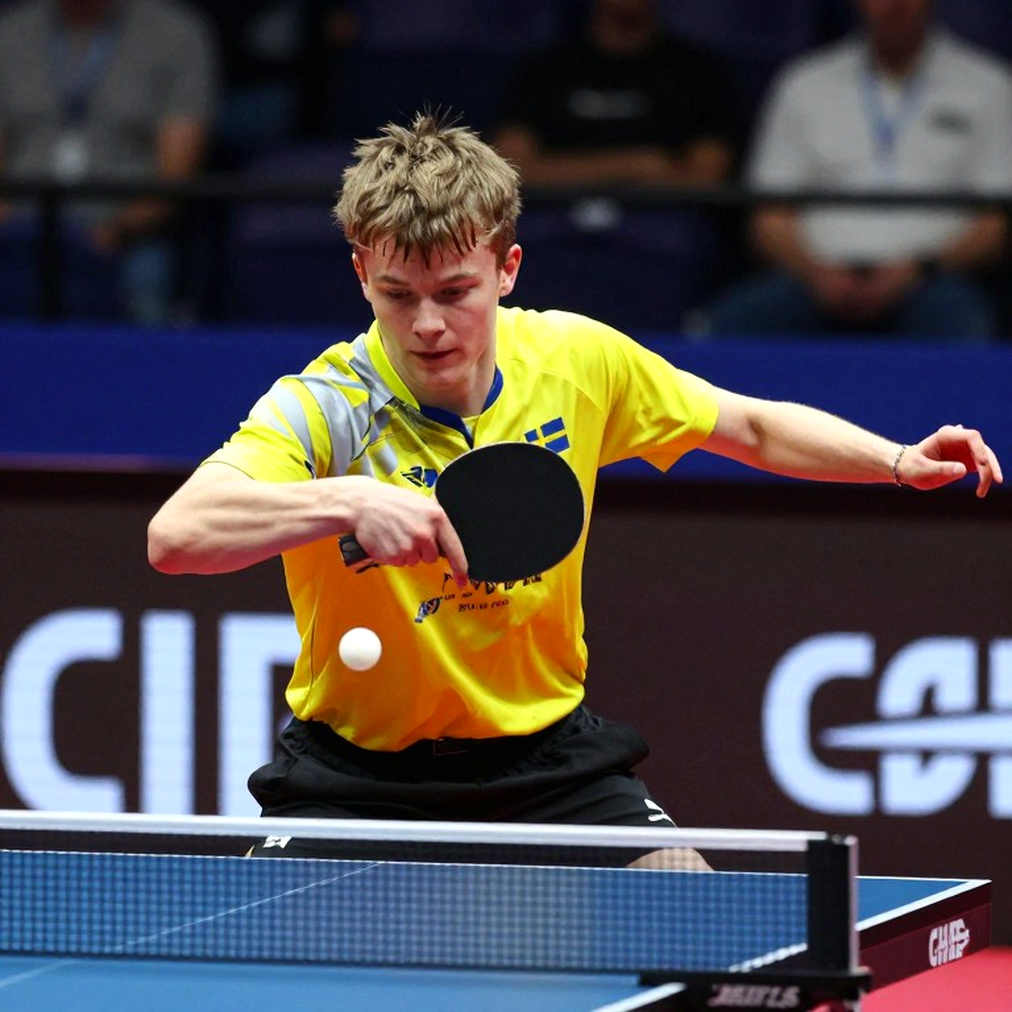
Watching the standings scroll, the first reflex is to call it domination. The second reflex — the one I always force myself to hold back — is to ask: domination over what, against whom, and at which tier.
Context: a continental event at the bottom of the pyramid
The ITTF Americas U11 & U13 Championship is a continental development event, sitting below even WTT Feeder events in the world competitive system. It awards no prize money and no senior professional ranking points to players in these age groups. The program runs 14 events — seven U13 and seven U11 — with each awarding one gold, one silver and two bronzes, covering singles, doubles and team, with no bronze-medal match. The theoretical ceiling is therefore 56 medals.
The arithmetic matches itself: 14 + 11 + 18 = 43. The figures are internally consistent — but consistency does not mean independent verification. I will return to that point at the end.
What the medal table actually says
The most notable thing lies in the structure, not the gold total. The USA won gold in all seven U13 events. At young age groups, squad depth matters more than one standout individual: to sweep singles, doubles and team, a federation needs at least three or four players of the same level, not a single prodigy. At the U13 tier, American table tennis clearly has a real talent pool, not a lucky star.
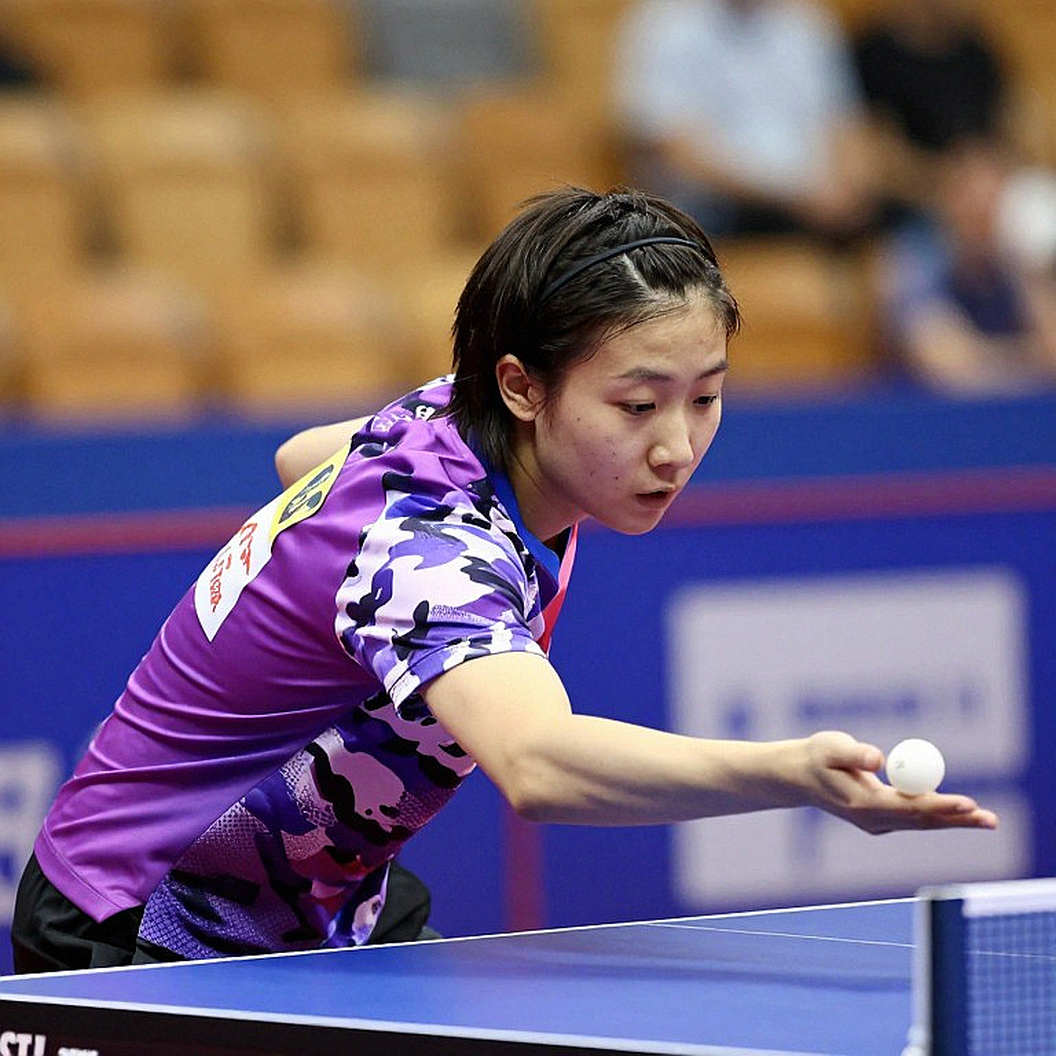
Where does that pool come from? From private academy infrastructure and immigrant coaching — the modern two-wing training template common in U.S. centers. A 12-year-old training in the Houston area today has conditions that did not exist twenty years ago. That is a positive signal for the system, and I take it seriously.
Where I have to be blunt
A 76.8% medal share at an event attended only by ITTF Americas member associations — with no Asian delegation, no European delegation. A continental ceiling is not a global ceiling. When the field narrows geographically, numbers inflate fast, and outside readers easily mistake them for global strength.
On strength, Americas youth table tennis has familiar names: Brazil is the region's biggest table tennis nation by senior standard, while Puerto Rico and Canada regularly sit in the second group. The event information gives no medal breakdown for non-U.S. associations, and the fact that the remaining 13 medals were spread thin across several federations is a sign of a shallow field. That is not the Americans' fault; that is context.
I have seen this at senior national-team level and drew a rule from it: never judge strength by medals won in a small pond. "The Kazan night did not kill old football; it exposed the slow-footed" — that line only holds when those sharing the court are the fastest on the planet. At Americas U11/U13 level, it is not yet allowed.
Placement matters: U11 and U13 sit below even the "rising group" threshold (under 22). Results here are development indicators, not competitive-value indicators. How many youth age-group champions vanished before turning 20? That is a law of this sport, not pessimism from the writer.
An overlooked detail: nobody was named
U.S. National Team Coach Tim Wang — the only person named in the entire event information — called the result the product of "focus and determination, fighting for every point." That is a psychological description, perfectly standard for a youth development release; it is not evidence of a superior technical system.
And here is a detail more telling than any gold count: an event with 14 gold medals named not a single individual player. The entire release is a program-level statement, not an athlete-level one. To me, that is both commendable caution — shielding minors from media pressure — and a sign that there is nothing yet to track at individual level.
The contrarian angle: the home-court hypothesis
My hypothesis — and I admit it carries low confidence — is that a non-trivial share of that 76.8% came from home advantage. Katy, Texas. Familiar hall, no travel, home crowd, familiar officials. At U11/U13 level, form fluctuates heavily between players, so a small edge multiplies into medals. Had this event been staged in São Paulo or San Juan, I doubt the host's gold total would look so round.
Moreover, all figures lack independent sourcing. The most reasonable assumption is that they came from a federation release. My job is to read the news, not to believe it. "The Covid empty stadium taught me that noise is not football." A medal table is the same: it is loud, but it does not tell the whole story.
If I had to pick one line to describe American table tennis' position right now, I would pick: "I am old, but I am fast enough to understand the slow-footed will disappear." The Americans in Katy are not slow — they are just running very fast on a narrow track.
What to watch
The point worth tracking is not the golds in Katy, but the transition of this U13 cohort to U15 and U19 over the next one to three years. If a few names from that gold-sweeping group appear on a world-junior podium, only then can we speak of a genuine transformation. For now, all of it is just one continental sweep — clean, pretty, and unproven beyond its own borders.